Write your screenplay
from your kitchen table at midnight.
No installs. No $250 software. Just open your browser and write. The tool disappears. The writing stays.
Professional formatting happens automatically. Structure organizes itself. It's just you and your brain — with the craft built in.
Free forever. No credit card. Built by a screenwriter.
The Editor
Professional formatting that happens automatically
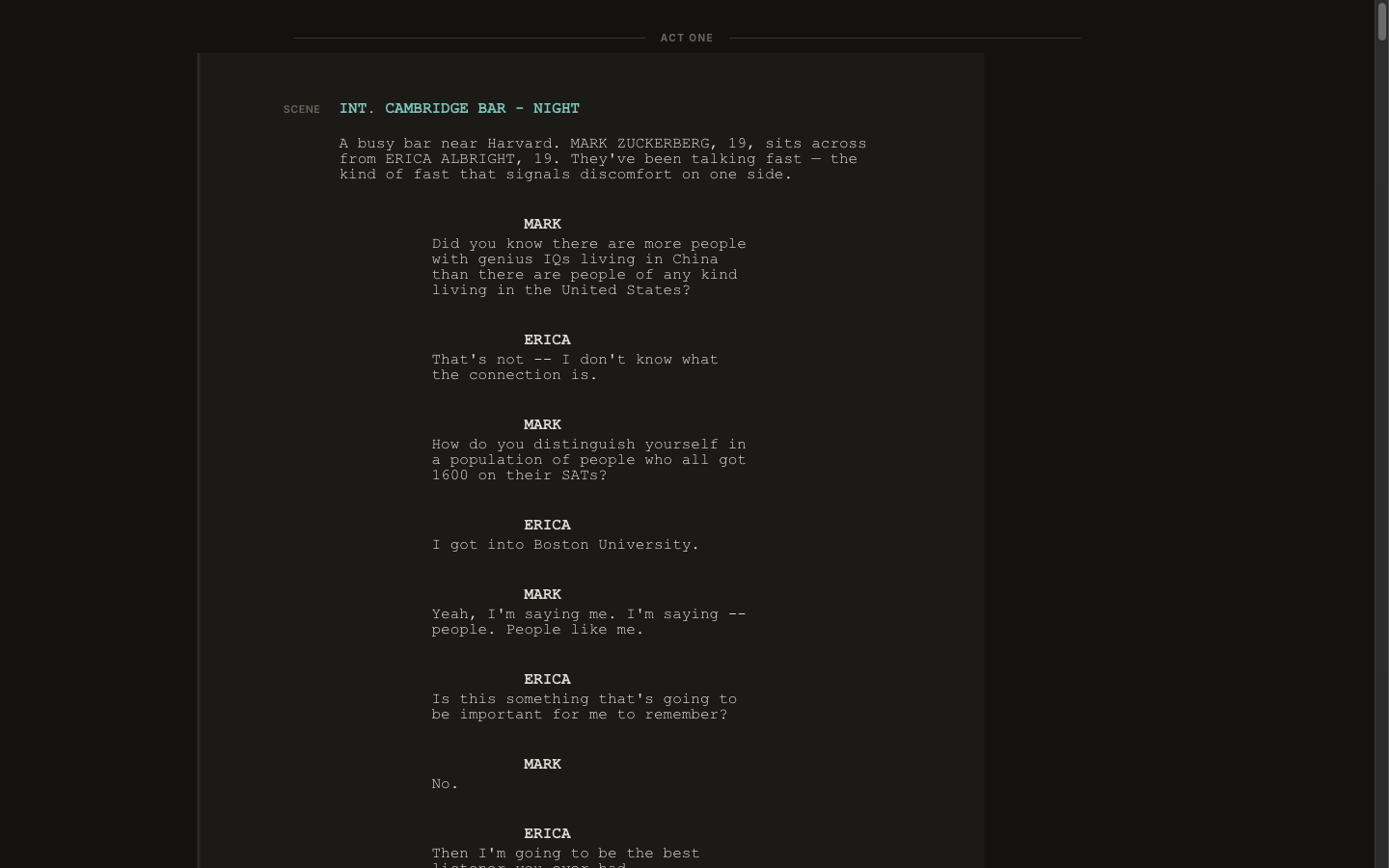
Just write. We handle the formatting.
Scene headings, action, dialogue, transitions — all formatted to industry standard the instant you type. No templates. No manuals. Just write like you think and it comes out looking like a shooting script.
Try It Now — Free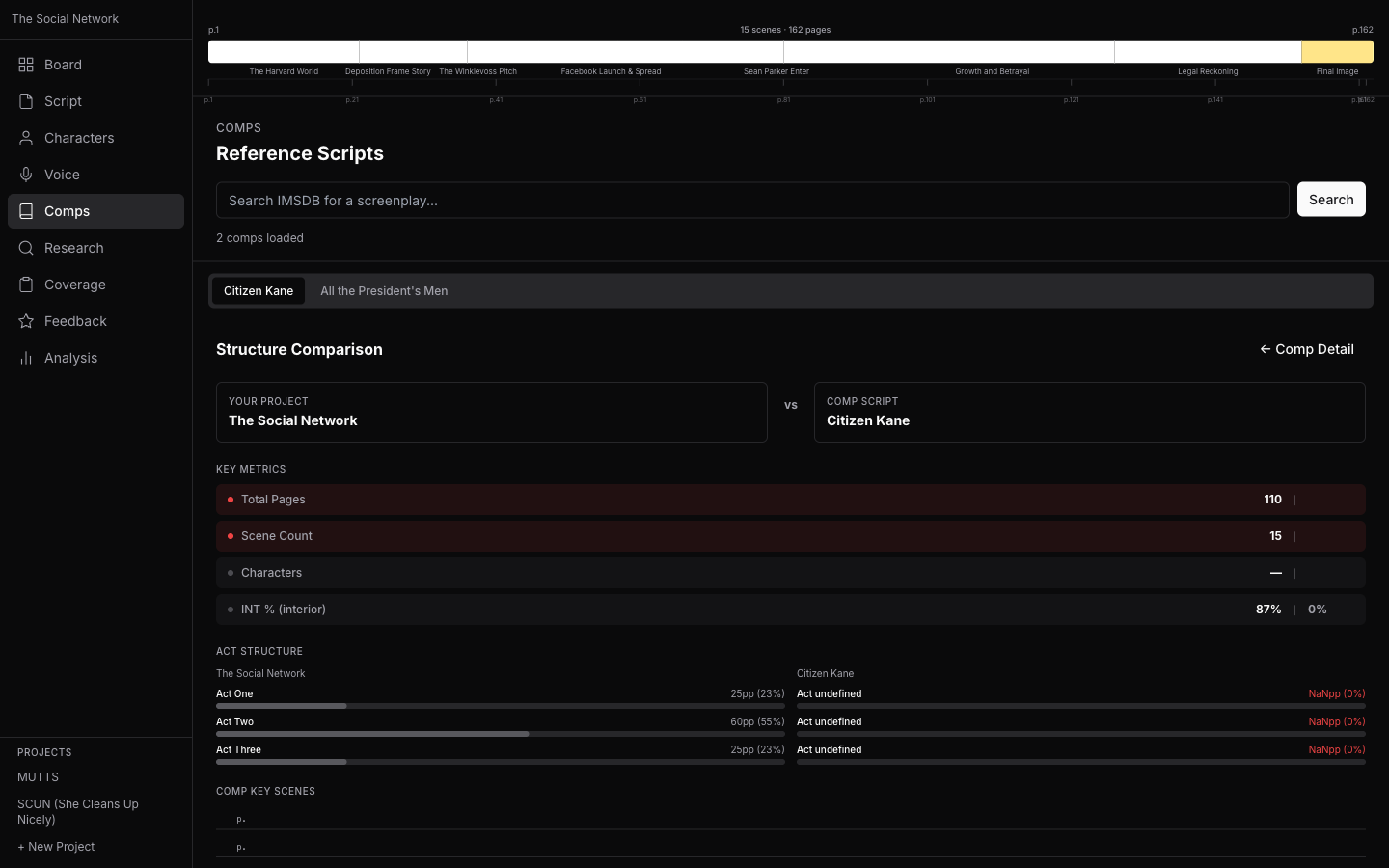
Compare your structure to the greats.
See your screenplay broken into acts, sequences, and beats — then stack it against produced films. Know exactly where your story sags, rushes, or hits the mark.
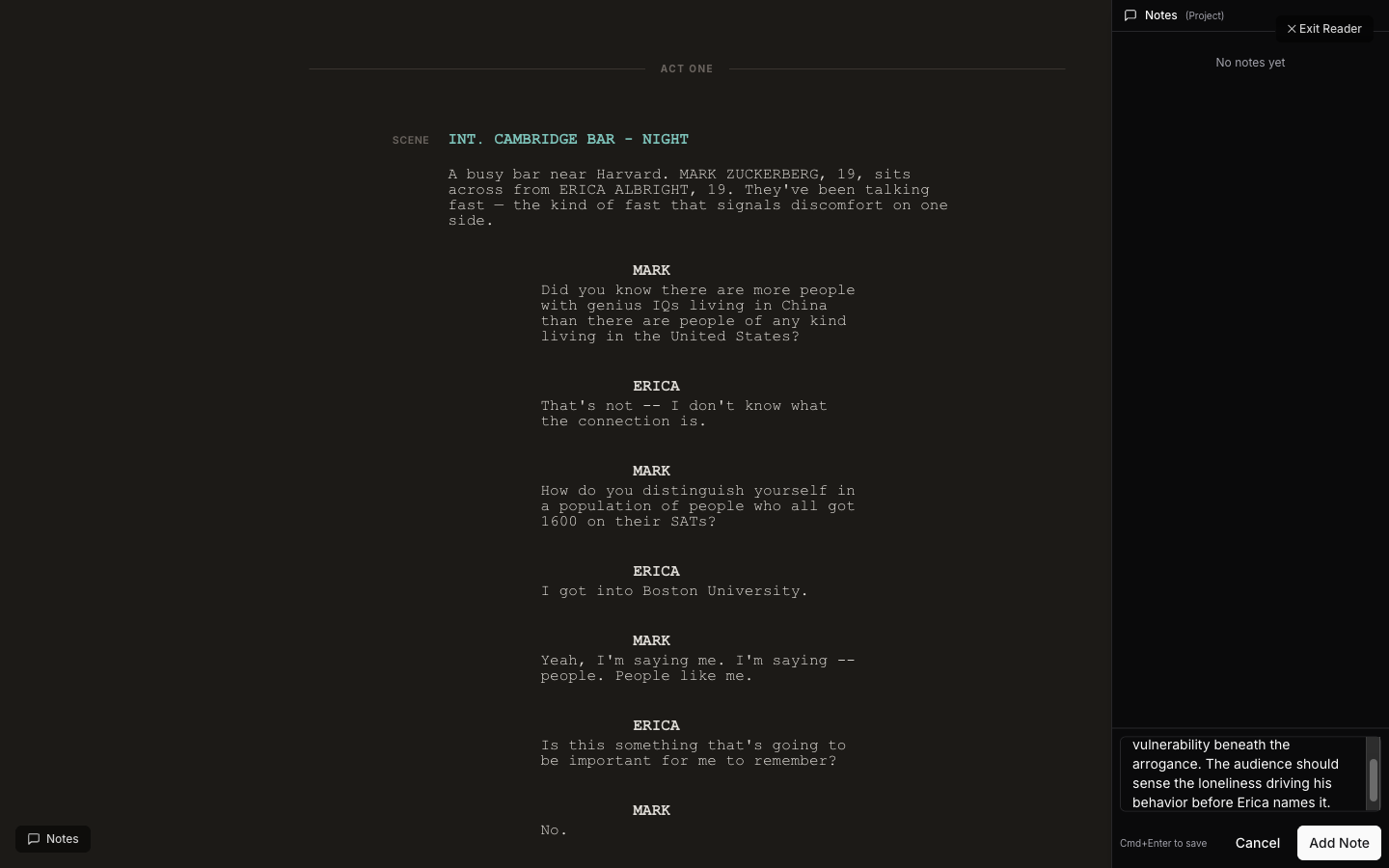
Read your script like an audience. Add notes without breaking flow.
Enter reader mode for distraction-free reading. Add notes to any scene without leaving the page. Your creative thoughts captured in context, not lost in a notebook.
Everything you need to write
your screenplay
Professional tools that rival the industry standard — without the price tag.
Professional Formatting
Industry-standard screenplay formatting. Scene headings, action, dialogue, parenthetical — all auto-formatted as you type.
Story Structure
Three-act structure visualization with beat tracking. See your screenplay's architecture at a glance.
Comp Analysis
Compare your script's DNA to produced films. See how your structure, tone, and pacing stack up.
AI Coverage
Professional-grade script coverage in minutes. Logline, genre analysis, strengths, weaknesses, and ratings.
Legend Feedback
Get script notes from AI versions of Goldman, Sorkin, Ephron, Tarantino, and 16 more legendary voices.
FDX Import/Export
Import your Final Draft files directly. Export back to FDX any time. Zero lock-in.
PDF Export
Export production-ready PDFs with proper screenplay formatting. Ready for submission.
Dark Mode
Write day or night. Full dark mode support that's easy on the eyes during those late-night sessions.
So seamless it disappears.
No learning curve. No clutter. Just you, your story, and an editor that handles the formatting so you never leave the zone.
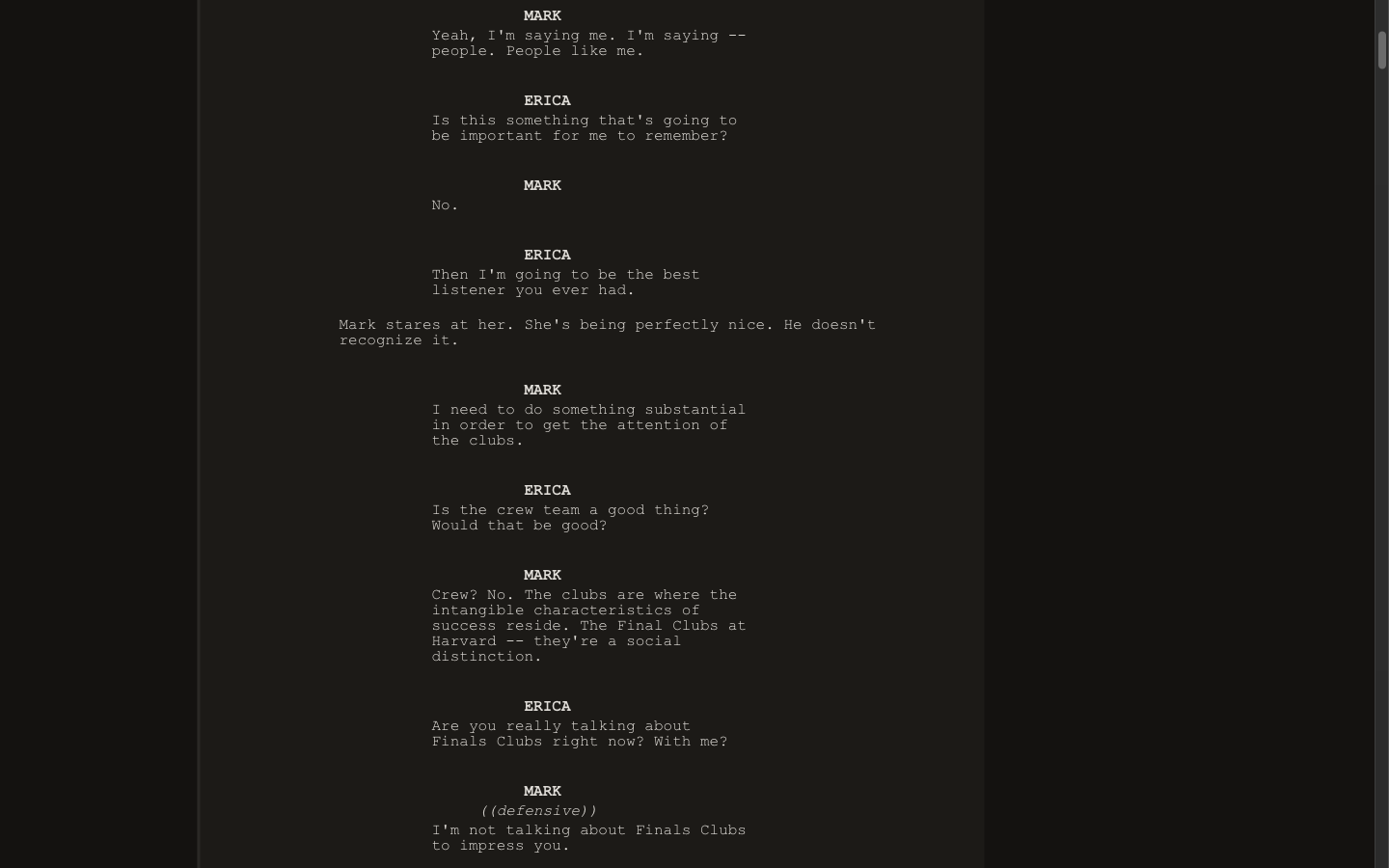
Tab cycling
Tab through element types — scene heading, action, character, dialogue — like a pro.
Smart formatting
Auto-capitalize scene headings, force uppercase on character names, handle transitions.
Find & Replace
Powerful search across your entire screenplay. Rename characters in seconds.
Get notes from the greatest
screenwriters who ever lived.
20 legendary voices. Each with their own philosophy, style, and standards. Choose who you want to hear from.
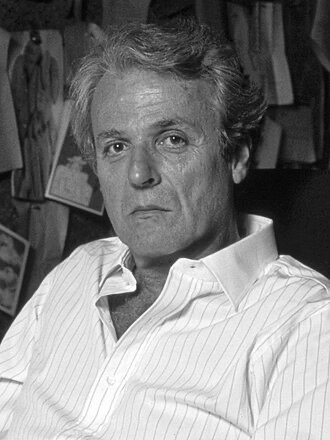
William Goldman
“Nobody knows anything.”
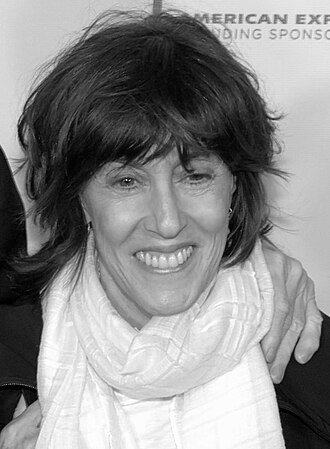
Nora Ephron
“Everything is copy.”
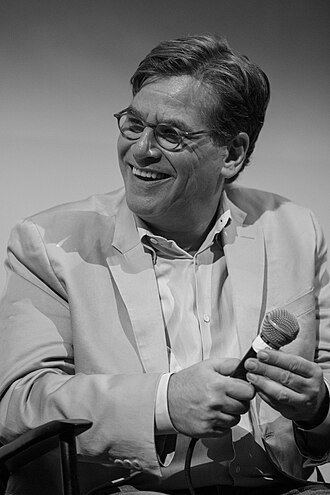
Aaron Sorkin
“Somebody wants something, something stands in their way.”
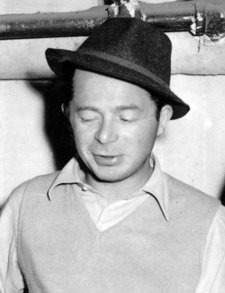
Billy Wilder
“Grab 'em by the throat and never let go.”
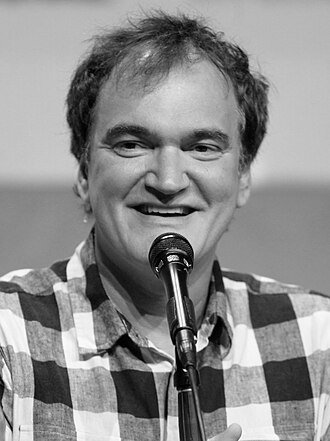
Quentin Tarantino
“A scene shouldn't exist purely to advance the plot.”
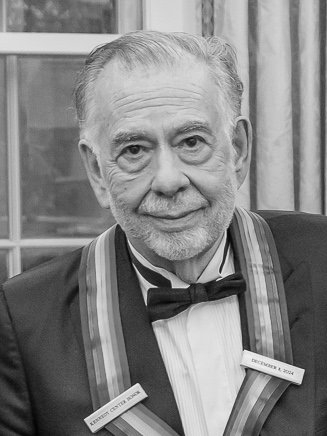
Francis Ford Coppola
“Get the audience to feel, not just watch.”
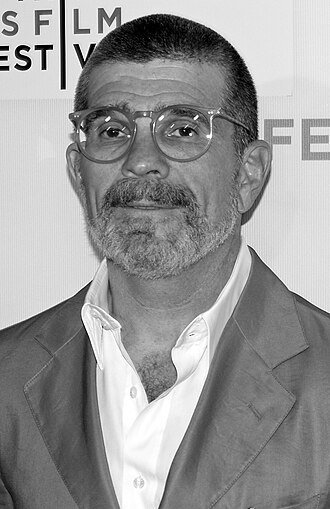
David Mamet
“Drama is the quest for power.”
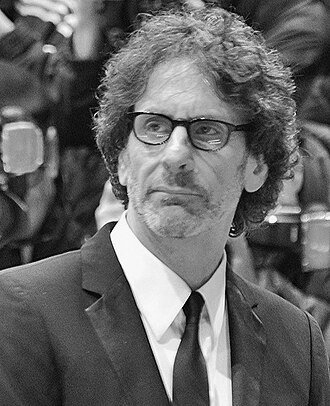
Joel & Ethan Coen
“Irony and sincerity can coexist.”
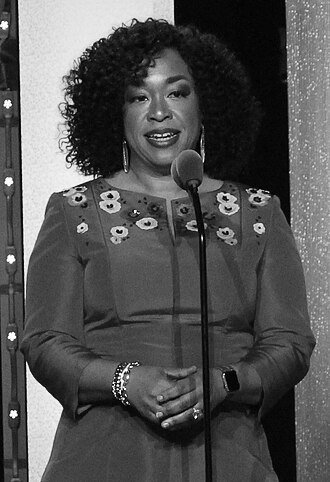
Shonda Rhimes
“Every character gets to be the hero of their own story.”
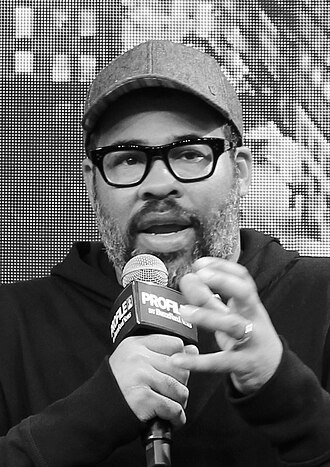
Jordan Peele
“What do you want them to think vs. what do you want them to feel?”
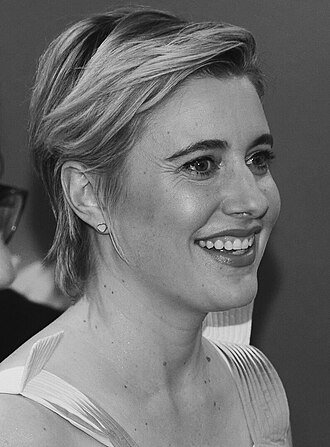
Greta Gerwig
“Write the thing you're most afraid to write.”
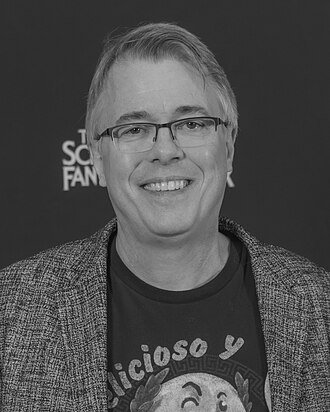
Vince Gilligan
“Consequences are the engine of great drama.”
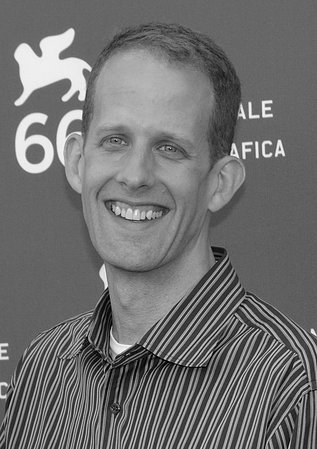
Pete Docter
“What if [thing] had feelings?”
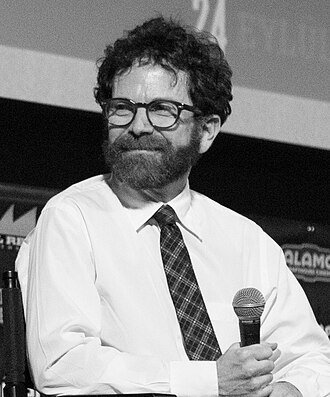
Charlie Kaufman
“The only honest story admits it's a story.”
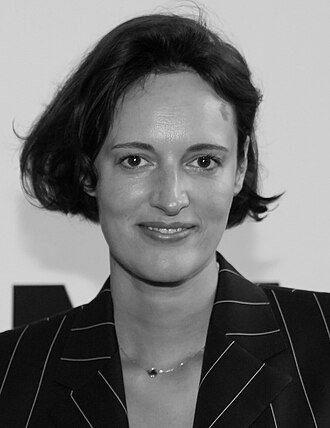
Phoebe Waller-Bridge
“The fourth wall is a door, not a window.”
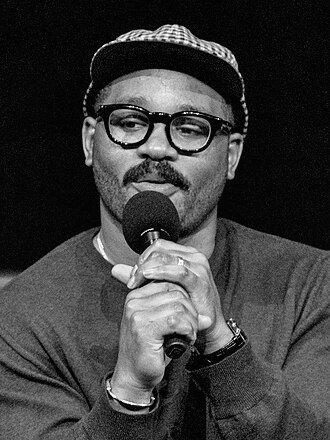
Ryan Coogler
“Cultural specificity creates universality.”
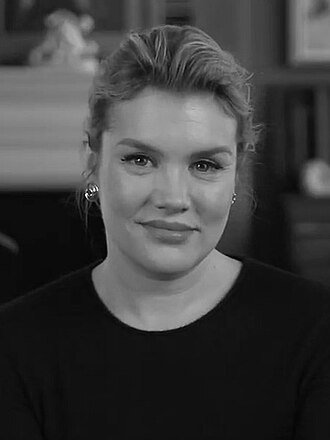
Emerald Fennell
“Tone is a weapon.”
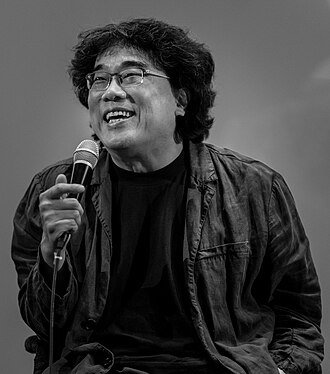
Bong Joon-ho
“Class is the most universal story.”
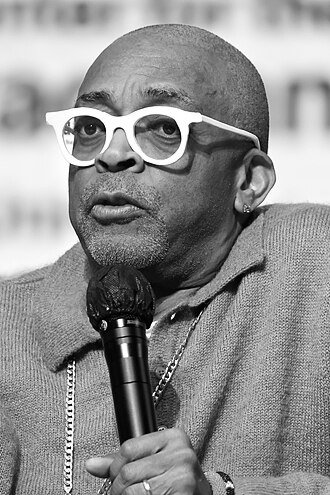
Spike Lee
“The story you're telling matters more than how clever you are.”
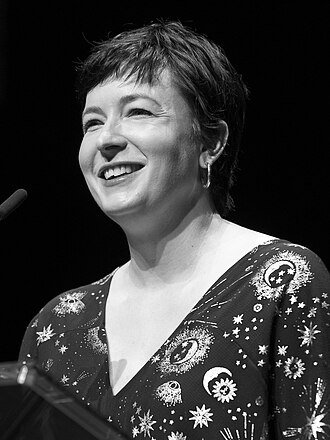
Diablo Cody
“If your character's voice doesn't annoy someone, it's not distinctive enough.”
THE SOCIAL NETWORK
“When Harvard student Mark Zuckerberg creates a social networking site with his friends, he is sued by both the co-founders of the company and his best friend.”
Citizen Kane meets Wall Street — a portrait of ambition that dismantles the myth of the lone genius while building the architecture of modern loneliness. The protagonist gets everything he wanted and loses the only thing that mattered.
We open on a breakup. Mark Zuckerberg gets dumped by his girlfriend Erica Albright at a Harvard bar. He walks back to his dorm, blogs viciously about her, and in a white-hot coding session, creates Facemash — a site that crashes the Harvard network by dawn. This act of vindictive brilliance attracts the Winklevoss twins, who hire him to build a social network for Harvard. Instead, Mark builds Facebook. Two lawsuits frame the story — the Winklevosses and Eduardo Saverin, his best friend and co-founder — told through deposition testimony intercutting with the events themselves. Eduardo is diluted out of the company when Sean Parker, Napster's flashy co-founder, seduces Mark with the promise of Silicon Valley scale. The film ends where it began: Mark alone, refreshing Erica's Facebook page. He has 500 million friends.
Sorkin's opening 9-page breakup scene establishes Mark's entire psychology — his intelligence as weapon, his loneliness as wound — without a single line of exposition. Every scene in the film does double and triple duty: advancing plot, revealing character, and establishing theme simultaneously.
The deposition framing device is a masterstroke. By intercutting past and present, the script creates dramatic irony at every beat — we watch Mark burn bridges while already knowing the legal consequences. The cold legal room amplifies the warmth of the founding scenes. Loss is built into the architecture.
What makes this script exceptional is that Mark is genuinely hard to root for — and yet you can't look away. The script never softens him into sympathy or hardens him into villain. He's a person-shaped wound wearing a genius costume. That ambiguity is extraordinarily difficult to sustain across 162 pages.
Eduardo Saverin is given the emotional center of the story but limited plot agency after Act One. He reacts more than he acts. The script would sharpen if Eduardo had a scene where he makes a consequential mistake of his own — rather than simply being wronged.
Female characters exist primarily as mirrors for male behavior. Even the sharpest female line — Erica's final takedown — functions as a coda that validates Mark's arc rather than complicating it. A structural issue, not a line-level one.
Professional script coverage.
In minutes, not weeks.
The same analysis that studios pay readers hundreds of dollars for — generated in minutes by AI that understands screenplay craft. Read a real example right here.
- Professional logline extraction
- Genre and tone analysis
- Hollywood comparison mapping
- Strengths and weaknesses breakdown
- Numerical ratings across key dimensions
- Detailed scene-by-scene summary
- Full character breakdown
Everything Final Draft does. But free.
Plus AI-powered tools Final Draft doesn't have.
Simple, honest pricing
The editor is free forever. Pay only for AI features, only when you want them.
Free Forever
- Full screenplay editor
- Professional formatting
- Story structure tools
- Comp analysis
- FDX import/export
- PDF export
- Dark mode
- 1 free coverage report
AI Credits
PopularAll free features plus AI-powered analysis
- Everything in Free
- AI Coverage reports
- Legend feedback sessions
- AI Chat sessions
- Structural analysis
100% WGA Compliant
Free Screenwriter's AI never writes screenplay text. No dialogue, no action lines, no scene content. All AI features are analysis-only. Your WGA credit is never at risk.
Frequently asked questions
Yes. The screenplay editor, formatting tools, structure tools, FDX import/export, and PDF export are free forever. No trial period, no credit card required. AI-powered features like coverage reports and legend feedback use credits, which you can purchase in packs starting at $10.
Yes. Free Screenwriter's AI features are 100% analysis-only. The AI reads your screenplay and provides feedback, coverage reports, structural analysis, and legend-style notes. It never writes dialogue, action lines, scene headings, or any screenplay text. Your creative work remains entirely yours.
No. Because our AI never generates screenplay text, your writing credit is never at risk. Free Screenwriter is a tool for analysis and feedback — the same category as hiring a script consultant or getting notes from a friend. The words on the page are always yours.
Free Screenwriter was built by a working screenwriter who got tired of paying $250 for Final Draft and waiting weeks for script coverage. Every feature was designed from the perspective of someone who actually writes screenplays.
Yes. Free Screenwriter can import .FDX files (Final Draft's native format) directly. Your formatting, scene headings, character names, and dialogue will all transfer over. You can also export back to FDX at any time — zero lock-in.
Not yet, but it's on the roadmap. For now, you can export your Celtx screenplay as a .FDX file from Celtx and import that into Free Screenwriter.
Your scripts are stored securely and are never used to train AI models. Your screenplay data is yours. We don't share it, sell it, or use it for any purpose other than providing the features you request (like coverage or legend feedback).
AI Chat is a conversational interface where you can discuss your screenplay with an AI assistant. Ask it about plot holes, character motivation, structural questions, or brainstorm solutions to story problems. Like coverage and legend feedback, the chat never writes screenplay text — it's a thinking partner, not a ghostwriter.
Ready to write your screenplay?
Join thousands of screenwriters who chose not to pay $250.